10 Ways to Soothe Your Gut Without Stressing About Food
Digestive issues can be frustrating. Whether you’re dealing with bloating, gas, cramps, or that heavy, uncomfortable feeling after meals — it’s hard to enjoy food when your gut feels off.
The good news? You don’t have to overhaul your whole diet to feel better. Small changes can make a big difference. With the right support, eating can feel more comfortable — and even enjoyable again.
Here are 10 simple, gut-friendly strategies to help you feel lighter, less bloated, and more in control.
1. Eat Slower to Give Your Gut a Chance
Your digestive system needs time to process food. Eating quickly causes you to swallow excess air, which contributes to gas and bloating. Rapid eating also reduces the time available for digestive enzymes to begin breaking down food in the mouth.
Try slowing down — even slightly. Take a few breaths before eating. Chew each mouthful thoroughly. Put your fork down between bites. Mindful eating activates the parasympathetic nervous system, which supports the digestive process by increasing saliva, stomach acid, and enzyme production.
If you often eat while distracted — watching TV, scrolling your phone, or eating at your desk — try sitting with your meal and paying attention for the first few minutes. Your gut responds better when your brain is involved.
2. Simplify Meals on Rough Days
When your gut is flaring up, complex meals can make things worse. Stick with gentle foods that are easy to digest: white rice, eggs, steamed vegetables, banana, oats, or plain toast.
You don’t have to eat bland food forever. Simplifying during a flare gives your digestive system time to settle. Think of it as dialling things back temporarily — not permanently.
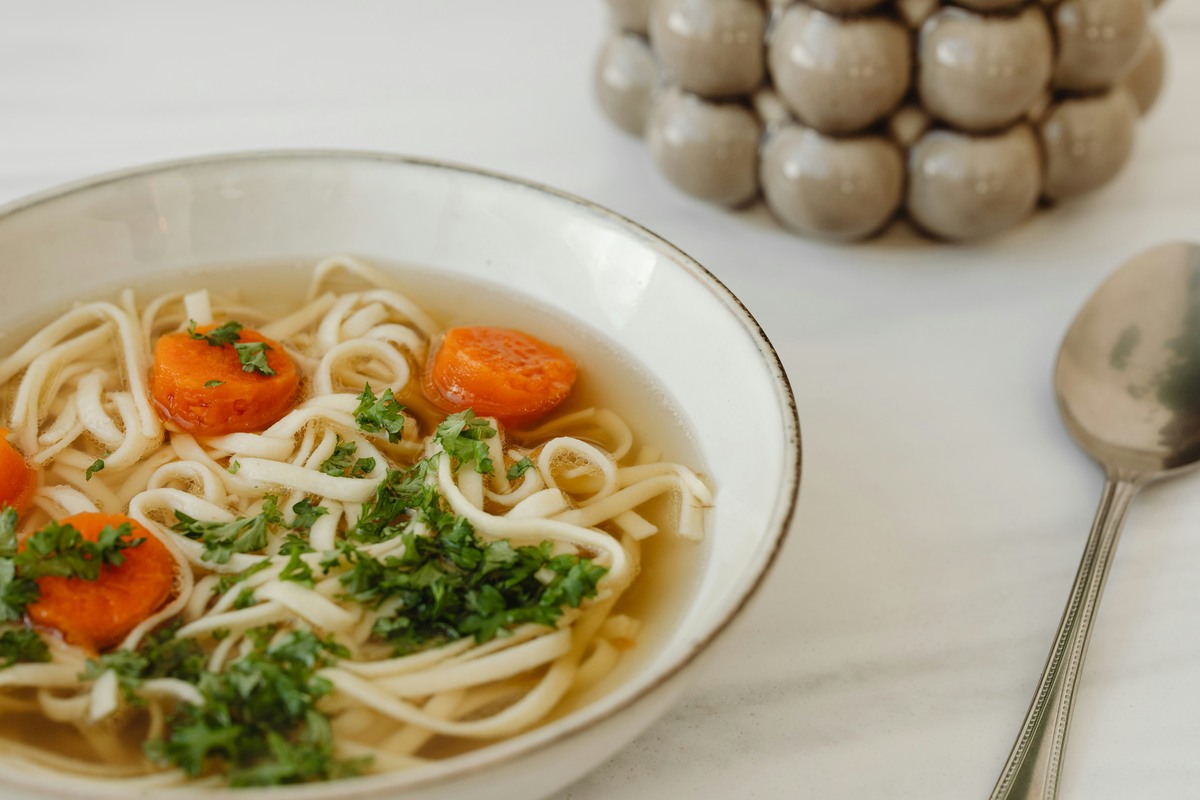
Cooking foods a little longer and eating them warm can also help. Soups, stews, and porridges are easier on the gut than raw or crunchy meals during a flare. Soft-cooked vegetables are gentler than raw salads when your gut is sensitive.
3. Identify Triggers — Without Obsessing
Certain foods worsen gut symptoms in some people. Common triggers include garlic, onions, beans, wheat, certain dairy products, and carbonated drinks. These foods contain fermentable carbohydrates — known as FODMAPs (Fermentable Oligosaccharides, Disaccharides, Monosaccharides, and Polyols) — which draw water into the intestine and produce gas when fermented by gut bacteria.
You don’t need to eliminate everything. Start by noticing how you feel after eating. A gentle food and symptom diary — just a few notes about what you ate and how your gut responded — can help uncover patterns over time.
If patterns point toward irritable bowel syndrome (IBS), a dietitian trained in the low FODMAP diet can guide you through a structured elimination and reintroduction process. The Monash University FODMAP Diet app provides an evidence-based database of tested foods with FODMAP ratings. Accelerate Nutrition’s dietitians have completed further training from Monash University in using the low FODMAP diet for IBS.
The goal of a low FODMAP approach is to identify your personal triggers — not to restrict your diet permanently. Most people can reintroduce the majority of foods after the testing phase.
4. Understand the Two Types of Fibre
Fibre is essential for gut health — but not all fibre works the same way. Understanding the difference between soluble and insoluble fibre helps you choose the right foods for your symptoms.
Soluble fibre dissolves in water and forms a gel-like substance during digestion. Soluble fibre slows gastric emptying, which helps reduce post-meal bloating and supports more stable blood sugar levels. Good sources include oats, barley, psyllium husk, legumes, and fruits like apples and citrus.
Insoluble fibre does not dissolve in water. Insoluble fibre adds bulk to stool and speeds up transit through the large intestine, helping prevent constipation. Good sources include wholemeal bread, bran, nuts, seeds, and the skin of fruits and vegetables.
If you’re increasing fibre, do it gradually. Adding too much too fast can cause gas, bloating, and cramps. Start with one new fibre-rich food at a time — like switching to oats at breakfast or adding a tablespoon of chia seeds to yoghurt. The Australian Dietary Guidelines recommend adults aim for 25–30g of dietary fibre per day.
Always increase water intake alongside fibre. Fibre without adequate fluid can worsen constipation rather than relieve it.
5. Stay Hydrated to Keep Things Moving
Water supports every stage of digestion. It helps break down food, absorb nutrients, and move waste through the intestines. Dehydration is one of the most common — and most overlooked — causes of constipation and bloating.
Aim for 6–8 glasses of fluid per day. Water is the best choice, but herbal teas, warm water with lemon, and diluted cordials all count. Peppermint tea may help relax the smooth muscle of the digestive tract, which can ease cramping and bloating.
If you’re eating more fibre, extra water is especially important. Carry a reusable bottle or set a phone reminder to build the hydration habit.
6. Recognise How Stress Affects Your Gut
The gut-brain axis is a bidirectional communication pathway between your digestive system and your central nervous system. Stress hormones — particularly cortisol and adrenaline — directly affect gut motility, intestinal permeability, and the balance of gut bacteria.
Stress can slow digestion (causing bloating and nausea), speed it up (causing diarrhoea), or increase sensitivity so that normal gut activity feels painful. If your symptoms worsen during stressful periods — tense weeks at work, social events, or emotional upheaval — the gut-brain axis is likely involved.
Gentle tools like diaphragmatic breathing, walking, stretching, or spending time outdoors can help calm the nervous system. Even five minutes of slow breathing before a meal can improve digestive comfort. For more on the connection between mental health and eating, our guide on eating when mental health is a challenge covers practical strategies for low-energy days.
7. Eat Regular Meals to Support Digestive Rhythm
Skipping meals or eating erratically disrupts the migrating motor complex (MMC) — the wave-like contractions that sweep through your digestive tract between meals to clear residual food and bacteria. A disrupted MMC can contribute to small intestinal bacterial overgrowth (SIBO), bloating, and irregular bowel habits.
Regular meal timing supports stomach acid production, enzyme flow, and gut motility. Aim for three main meals at roughly consistent times each day. If large meals feel heavy, try smaller meals more often — the key is consistency.
A calm, regular meal pattern acts like a daily routine for your gut. Predictability helps everything run more smoothly.
8. Try Probiotic-Rich Foods — Start Gently
Probiotic foods contain live beneficial bacteria that can support the balance of your gut microbiome. Fermented foods like yoghurt, kefir, sauerkraut, kimchi, miso, and tempeh all provide naturally occurring probiotic cultures.
You don’t necessarily need a supplement. Starting with a small serve of natural yoghurt or kefir daily gives your gut time to adjust. If fermented foods cause bloating or discomfort initially, reduce the portion and build up gradually.
If you’re considering a probiotic supplement — or wondering whether one is right for your situation — our guide on whether you should take probiotics covers the evidence for specific strains and conditions.
9. Move Gently After Meals
Lying down immediately after eating can worsen bloating, reflux, and that heavy feeling. Gentle movement after meals — a short walk, light stretching, or standing while you tidy up — supports gastric motility and helps food move through the digestive tract.
You don’t need a workout. Five to ten minutes of gentle activity is enough. Walking after dinner is one of the simplest and most effective habits for digestive comfort. Research shows post-meal walking improves gastric emptying and reduces post-meal blood sugar spikes.
If reflux is part of your picture, staying upright for at least 30 minutes after eating reduces the likelihood of stomach acid moving back into the oesophagus.
10. Don’t Try to Fix Everything at Once
Your gut responds best to steady, consistent care. Trying to change everything at once often creates more stress — which, as we’ve covered, makes gut symptoms worse.
Pick one or two strategies from this list and try them for a couple of weeks. Keep what helps. Let go of what doesn’t. Then add another change when you’re ready.
Working with a gut health dietitian at Accelerate Nutrition can help you prioritise the changes that are most likely to make a difference for your specific symptoms. Your dietitian won’t hand you a long list of foods to avoid — they’ll help you build an eating pattern that supports your gut and fits your real life.If you’re also managing food intolerances, our guide on food-first approaches to nutrition explores how whole foods support gut health more effectively than supplements alone.